
Posts Tagged ‘FDA’
FDA Warns Food Facilities to Protect Their Registration Information
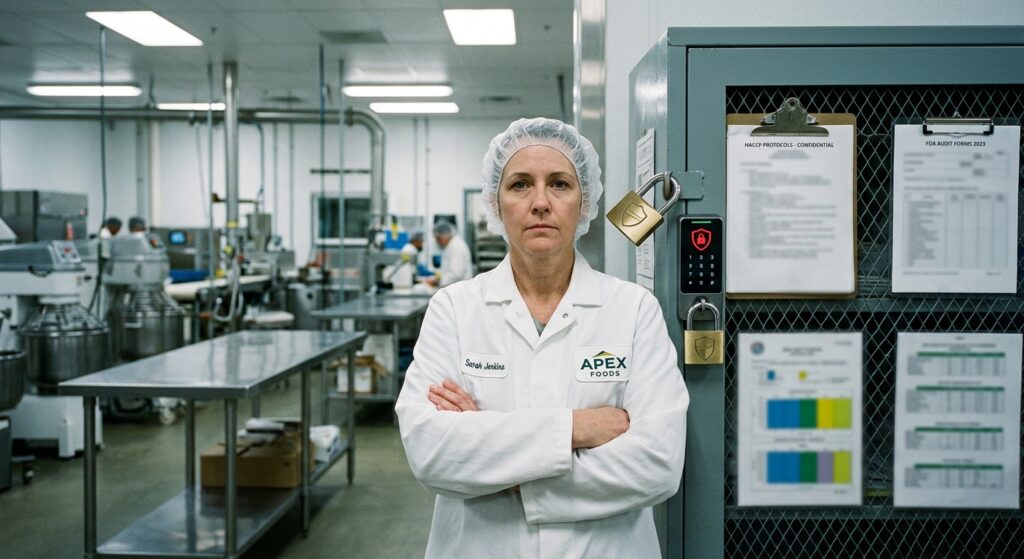
The FDA issued a July 2026 advisory warning food businesses against unnecessary facility registrations and urging them to protect their Food Facility Registration credentials. Rising misuse by third-party registrars and platforms like TikTok Shop has prompted concerns over security risks, regulatory confusion, and strained FDA resources. Learn who must register, what information to safeguard, and how to respond if credentials have been compromised.
Read MoreFood Imports by Mail After De Minimis: What CBP’s Entry Type 13 Means for FDA and USDA Compliance
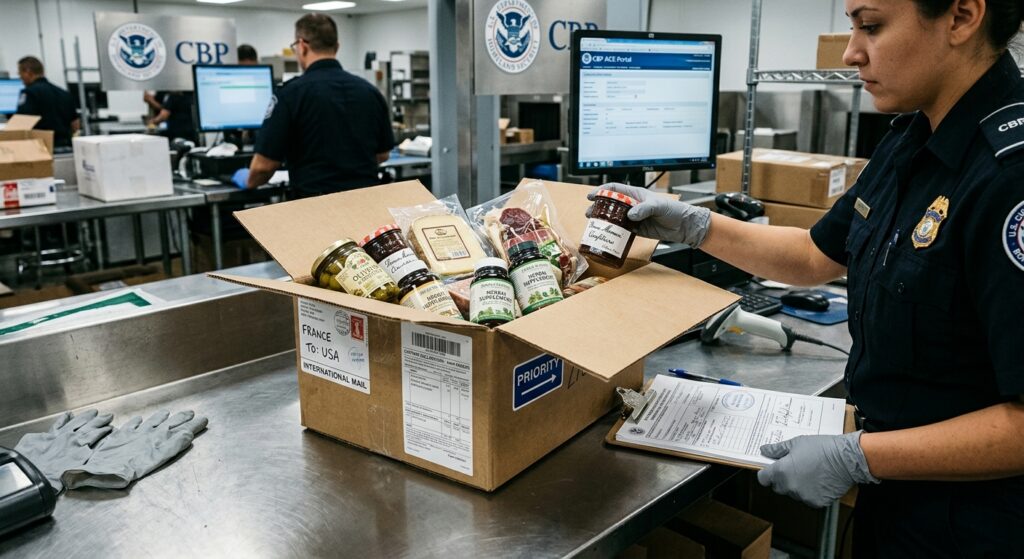
The suspension of de minimis duty exemptions for international mail has fundamentally changed how low-value food shipments enter the United States. Entry Type 13, launching as a voluntary ACE test on September 22, 2026, is the only informal entry pathway capable of carrying the full FDA and USDA Partner Government Agency data now required for mail shipments of food, dietary supplements, and other regulated products.
Read MoreDid the FDA Ban Red Number 3?
FDA has taken action to prohibit FD&C Red Number 3 in foods and drugs. Red Number 3 is also known as erythrosine. On January 16, 2025, FDA published a notice in the Federal Register revoking the authorized use in food and ingestible drugs of FD&C Red Number 3. The prohibition on using Red Number 3…
Read MoreWhat is FSVP?

FSVP stands for Foreign Supplier Verification Program. FSVP is a regulation that requires importers of most foods to verify the food safety practices of their foreign suppliers. When did FSVP go into effect? The Foreign Supplier Verification Program regulation went into effect for most importers on May 30, 2017. Why did the United States require…
Read MoreFood Industry Regulatory Update September 20, 2024
In This Week’s Edition: Pasta Antidumping Duties The ITC has extended the antidumping and countervailing duty orders on certain pasta from Italy and Turkey on the basis that revocation of the duties would be likely to lead to continuation or recurrence of material injury to an industry in the United States within a reasonably foreseeable…
Read MoreFood Industry Regulatory Update September 13, 2024

In This Week’s Edition: FSIS Animal Raising Labeling Claims FSIS is announcing the availability of an updated version of its guideline on documentation needed to support animal-raising or environment-related claims on meat or poultry product labeling. Official establishments submit this documentation to the Agency when they apply for approval of labels with animal-raising or environment-related claims. The…
Read MoreFood Industry Regulatory Update August 23, 2024

In This Week’s Edition: Food Chemical Post Market Assessment FDA has posted materials for the public meeting on the Development of an Enhanced Systematic Process for FDA’s Post-Market Assessment of Chemicals in Food. The materials include the meeting agenda, information on how to submit comments, and the discussion paper on the development of an enhanced systematic process…
Read MoreFood Industry Regulatory Update August 16, 2024

In This Week’s Edition: FDA Sodium Reduction Guidance FDA issued draft guidance for the second phase of it’s work to reduce sodium across the food supply through voluntary industry efforts. Prior to 2021, consumer intake was approximately 3,400 milligrams per day on average, far higher than the limit recommended by the Dietary Guidelines for Americans of 2,300…
Read MoreFood Industry Regulatory Update August 9, 2024
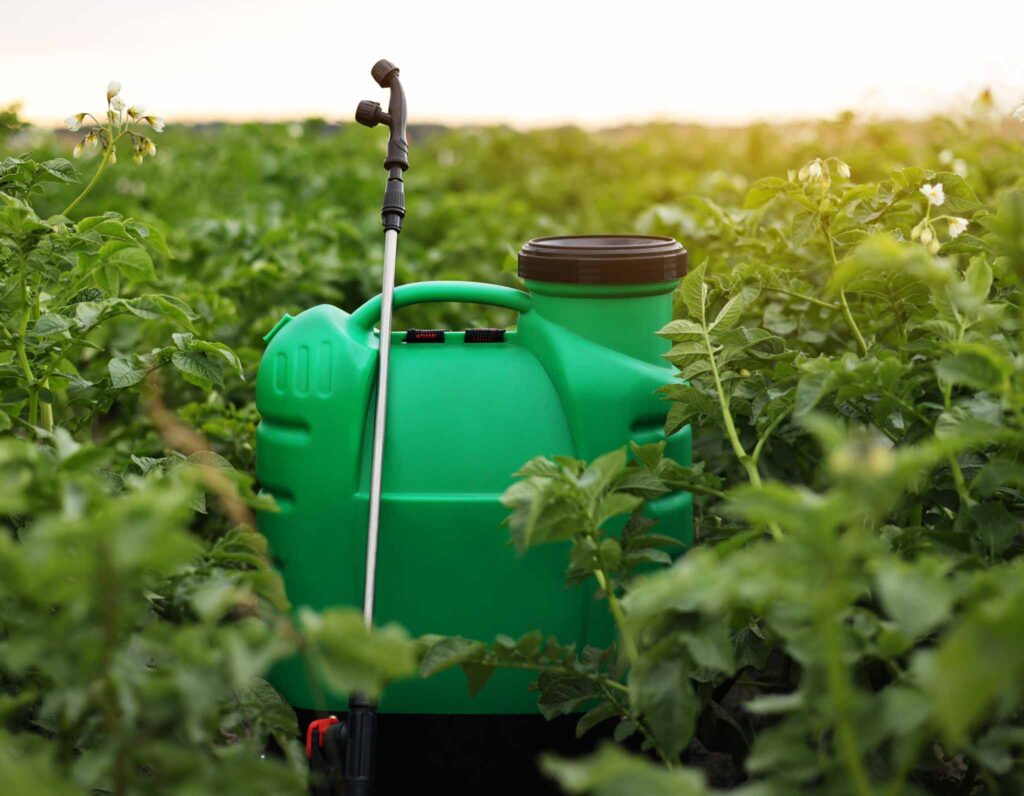
In This Week’s Edition: EPA Bans Chlorpyrifos in Food EPA took action after determining the use of the pesticide on foods is unsafe. FDA Releases Two Draft Guidances, Seeks Public Comment on Pre-market Animal Food Ingredient Review Programs as AAFCO MOU Expires FDA released a set of documents regarding the transition phase after the FDA’s longstanding Memorandum of Understanding…
Read MoreFood Industry Regulatory Update July 26, 2024

In This Week’s Edition: Microplastics in Food; New FDA Webpage See FDA’s updated webpage for infromation on microplastics and nanoplastics in foods here. FDA Releases Summary Report on Fresh Herbs Sampling for Microbiological Hazards FDA released findings from a sampling assignment that collected and tested both domestic and imported fresh basil, cilantro, and parsley. The assignment sought to…
Read More