
Posts by Erik L
FDA Moves to End GRAS Self-Affirmation: What Mandatory GRAS Notification Means for Importers and Manufacturers

The FDA’s new proposal would end voluntary GRAS self-affirmation, requiring companies to formally notify the agency before introducing new food or feed ingredients. With public comments due December 9, 2026, importers and manufacturers should inventory GRAS-dependent ingredients, verify supporting documentation, and prepare for an 18-month compliance timeline once finalized.
Read MoreFDA Warns Food Facilities to Protect Their Registration Information

The FDA issued a July 2026 advisory warning food businesses against unnecessary facility registrations and urging them to protect their Food Facility Registration credentials. Rising misuse by third-party registrars and platforms like TikTok Shop has prompted concerns over security risks, regulatory confusion, and strained FDA resources. Learn who must register, what information to safeguard, and how to respond if credentials have been compromised.
Read MoreFood Imports by Mail After De Minimis: What CBP’s Entry Type 13 Means for FDA and USDA Compliance
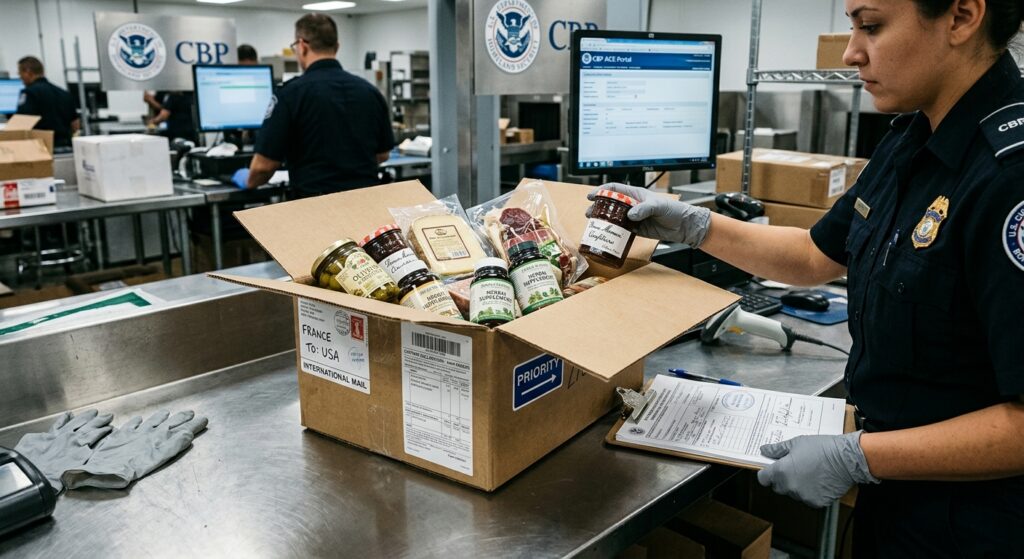
The suspension of de minimis duty exemptions for international mail has fundamentally changed how low-value food shipments enter the United States. Entry Type 13, launching as a voluntary ACE test on September 22, 2026, is the only informal entry pathway capable of carrying the full FDA and USDA Partner Government Agency data now required for mail shipments of food, dietary supplements, and other regulated products.
Read MoreFood Industry Regulatory Update – June 19, 2026
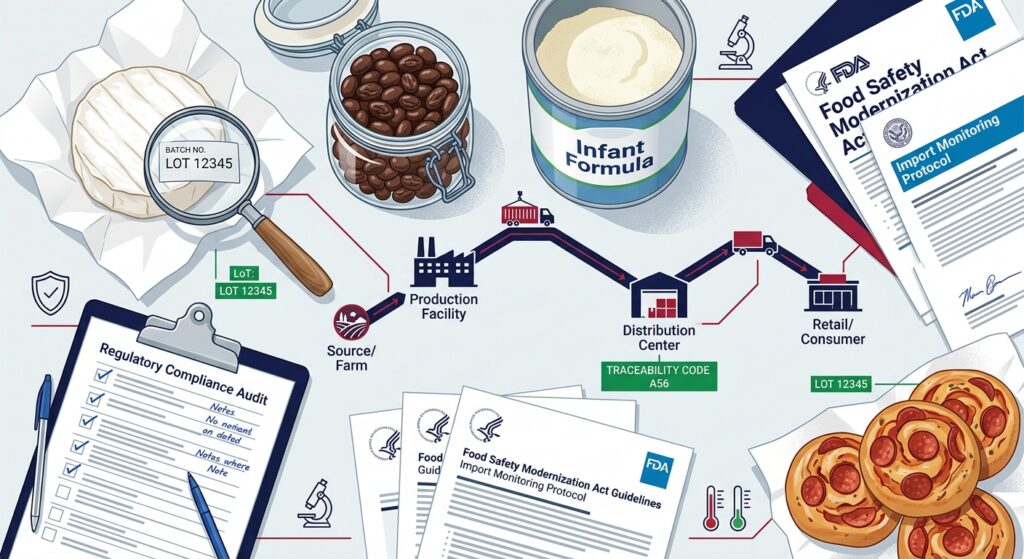
FDA held a virtual public meeting on June 15, 2026, to discuss compliance flexibilities for FSMA Section 204 food traceability requirements, including potentially allowing a range of lot codes. The compliance deadline has been extended by Congress to July 28, 2028. FDA also issued warning letters to MGR Produce and YS Group for Foreign Supplier…
Read MoreWhen FDA Comes Calling: Why Your FSVP Agent Must Be Ready to Respond

For nonresident importers bringing food into the United States, choosing the right FSVP agent is a critical business decision, not just a regulatory formality. A reliable agent maintains thorough records, responds quickly to FDA and state health inquiries, and can resolve compliance concerns before they escalate. Learn how strong FSVP representation recently prevented a potential product recall.
Read MoreSection 122 Tariffs Imposed; Exemptions for Foods
On Friday, February 20, 2026, the United States Supreme Court in a 6-3 decision, struck down the tariffs imposed by the Trump Administration under the International Emergency Economic Protection Act (IEEPA). These included the “Liberation Day” reciprocal tariffs that varied on a country-by-country basis and imposed additional rates of up to 49% as well as…
Read MoreFoods Excluded from Reciprocal Tariff

On November 14, 2025, President Trump signed an Executive Order which excluded a wide range of foods from the reciprocal tariff regime imposed under Executive Order 14257 (EO 14257). EO 14257 imposes a reciprocal tariff on virtually every shipment of commercial goods entering the United States. The tariff varies based on the country of origin…
Read MoreSection 232 Tariffs Apply to Certain Food Imports

The Trump Administration has applied Section 232 Tariffs on steel and aluminum to certain food imports. Food imports under certain tariff classifications are required to report, value and pay 50% tariffs on the steel and aluminum content of their packaging and containers. The impacted tariff codes may be found here in chapter 99 and include:…
Read MoreDid the FDA Ban Red Number 3?
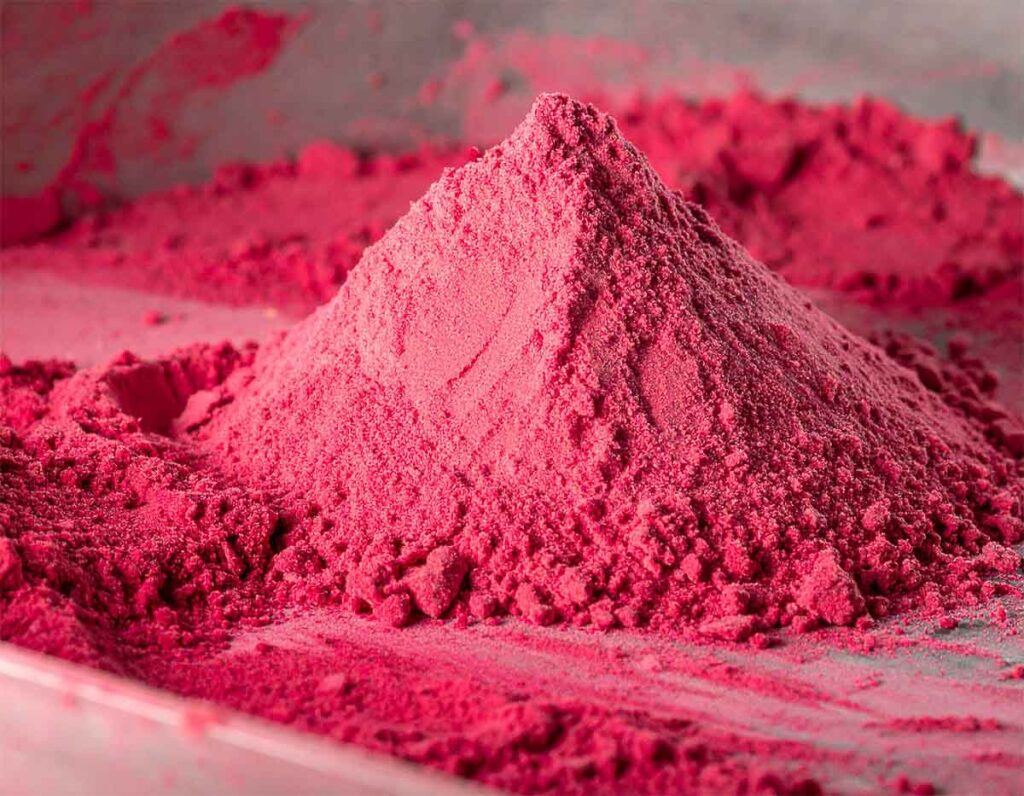
FDA has taken action to prohibit FD&C Red Number 3 in foods and drugs. Red Number 3 is also known as erythrosine. On January 16, 2025, FDA published a notice in the Federal Register revoking the authorized use in food and ingestible drugs of FD&C Red Number 3. The prohibition on using Red Number 3…
Read MoreDe Minimis Rule Entry Process Ends

On August 29, 2025, U.S. Customs and Border Protection (CBP) began rejecting all De Minimis Rule (aka Type 86) entries. The De Minimis Rule had previously allowed shipments valued at $800 or less to be filed as Type 86 entries with limited data elements provided to CBP. This action implements the executive order issued on…
Read More