
News
FDA Warns Food Facilities to Protect Their Registration Information

The FDA issued a July 2026 advisory warning food businesses against unnecessary facility registrations and urging them to protect their Food Facility Registration credentials. Rising misuse by third-party registrars and platforms like TikTok Shop has prompted concerns over security risks, regulatory confusion, and strained FDA resources. Learn who must register, what information to safeguard, and how to respond if credentials have been compromised.
Read MoreFood Imports by Mail After De Minimis: What CBP’s Entry Type 13 Means for FDA and USDA Compliance
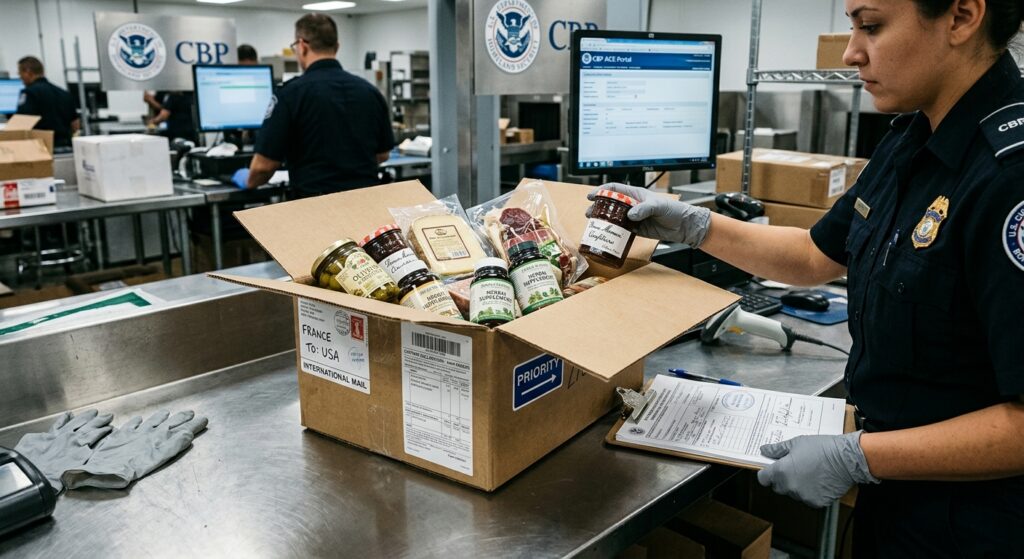
The suspension of de minimis duty exemptions for international mail has fundamentally changed how low-value food shipments enter the United States. Entry Type 13, launching as a voluntary ACE test on September 22, 2026, is the only informal entry pathway capable of carrying the full FDA and USDA Partner Government Agency data now required for mail shipments of food, dietary supplements, and other regulated products.
Read MoreFood Industry Regulatory Update – June 19, 2026
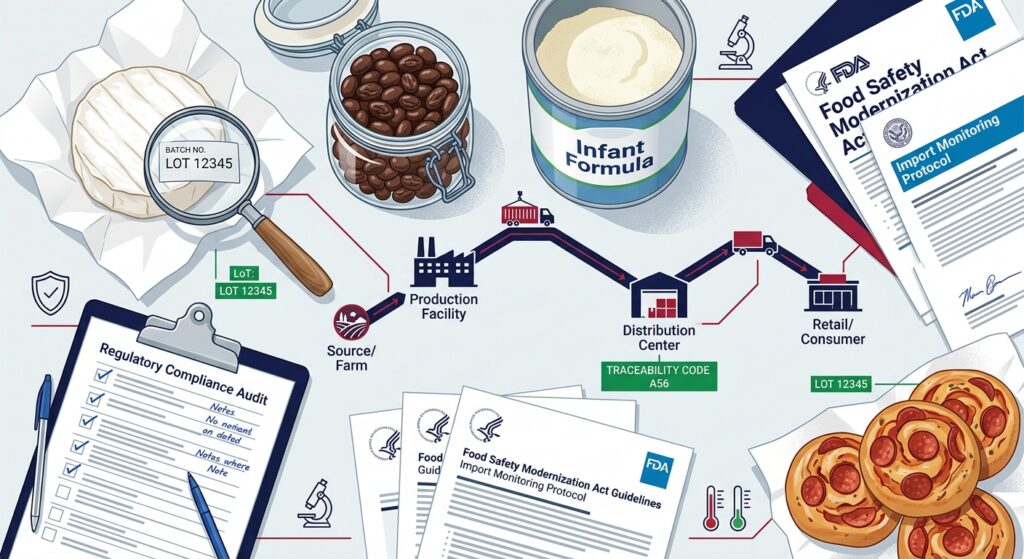
FDA held a virtual public meeting on June 15, 2026, to discuss compliance flexibilities for FSMA Section 204 food traceability requirements, including potentially allowing a range of lot codes. The compliance deadline has been extended by Congress to July 28, 2028. FDA also issued warning letters to MGR Produce and YS Group for Foreign Supplier…
Read MoreSection 122 Tariffs Imposed; Exemptions for Foods
On Friday, February 20, 2026, the United States Supreme Court in a 6-3 decision, struck down the tariffs imposed by the Trump Administration under the International Emergency Economic Protection Act (IEEPA). These included the “Liberation Day” reciprocal tariffs that varied on a country-by-country basis and imposed additional rates of up to 49% as well as…
Read MoreFoods Excluded from Reciprocal Tariff

On November 14, 2025, President Trump signed an Executive Order which excluded a wide range of foods from the reciprocal tariff regime imposed under Executive Order 14257 (EO 14257). EO 14257 imposes a reciprocal tariff on virtually every shipment of commercial goods entering the United States. The tariff varies based on the country of origin…
Read MoreSection 232 Tariffs Apply to Certain Food Imports

The Trump Administration has applied Section 232 Tariffs on steel and aluminum to certain food imports. Food imports under certain tariff classifications are required to report, value and pay 50% tariffs on the steel and aluminum content of their packaging and containers. The impacted tariff codes may be found here in chapter 99 and include:…
Read MoreDe Minimis Rule Entry Process Ends
On August 29, 2025, U.S. Customs and Border Protection (CBP) began rejecting all De Minimis Rule (aka Type 86) entries. The De Minimis Rule had previously allowed shipments valued at $800 or less to be filed as Type 86 entries with limited data elements provided to CBP. This action implements the executive order issued on…
Read MoreFDA De Minimis Exemption for Food Shipments Revoked
On July 9, U.S. Customs and Border Protection (CBP) announced that all shipments presented for entry of FDA-regulated commodities, including food, must be submitted to FDA for review regardless of value. Previously FDA had exempted food from having to be reviewed at entry by the agency if the shipment was valued at less than $800…
Read MoreSupreme Court Declines to Expedite Review of Tariff Litigation

Tariff litigation update: On June 20, 2025, the U.S. Supreme Court denied a motion by Learning Resources, Inc. to expedite consideration of a petition for writ of certiorari before judgement in their challenge to the authority of Trump Administration to impose broad tariffs under the International Emergency Economic Powers Act (IEEPA). Therefore, the tariffs will…
Read MoreAdditional 25% Tariffs on Canada and Mexico Suspended March 6
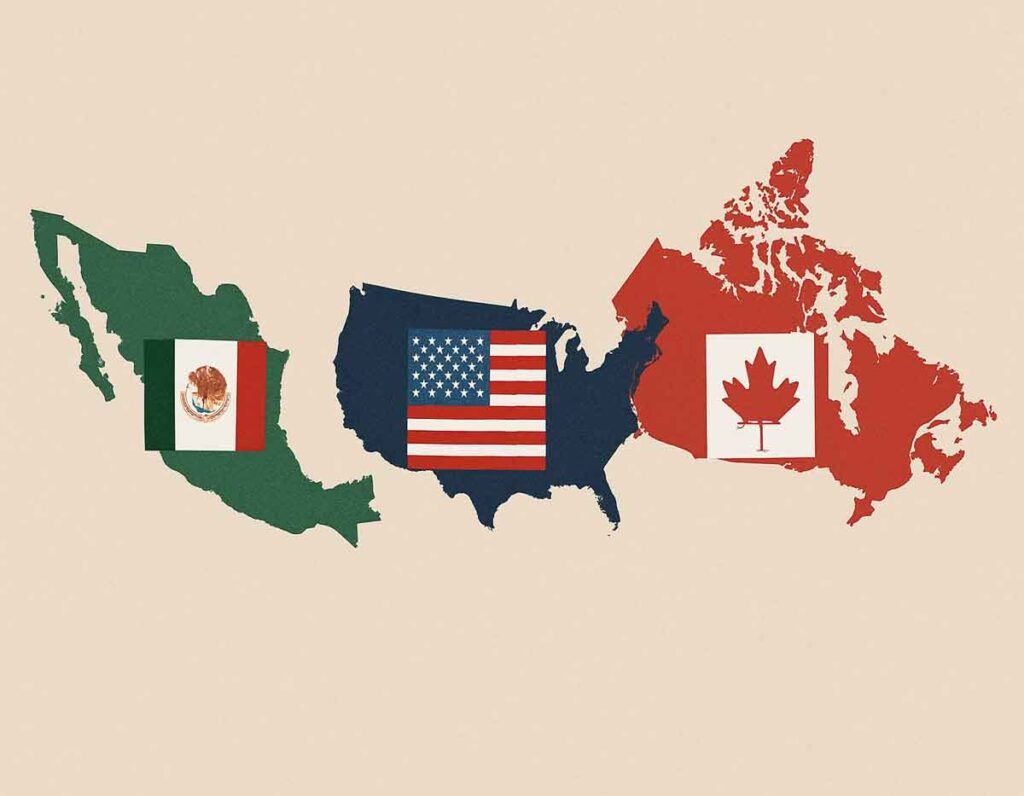
On March 6, 2025, President Trump announced a suspension of most of the additional 25% tariffs imposed on March 4, 2025, on Mexico and Canada. Under the new tariff structure the additional 25% tariffs will apply only to goods that do not qualify as originating goods under the U.S. Mexico Canada Agreement (USMCA). The duties…
Read More