
Posts Tagged ‘FSVP’
Food Imports by Mail After De Minimis: What CBP’s Entry Type 13 Means for FDA and USDA Compliance
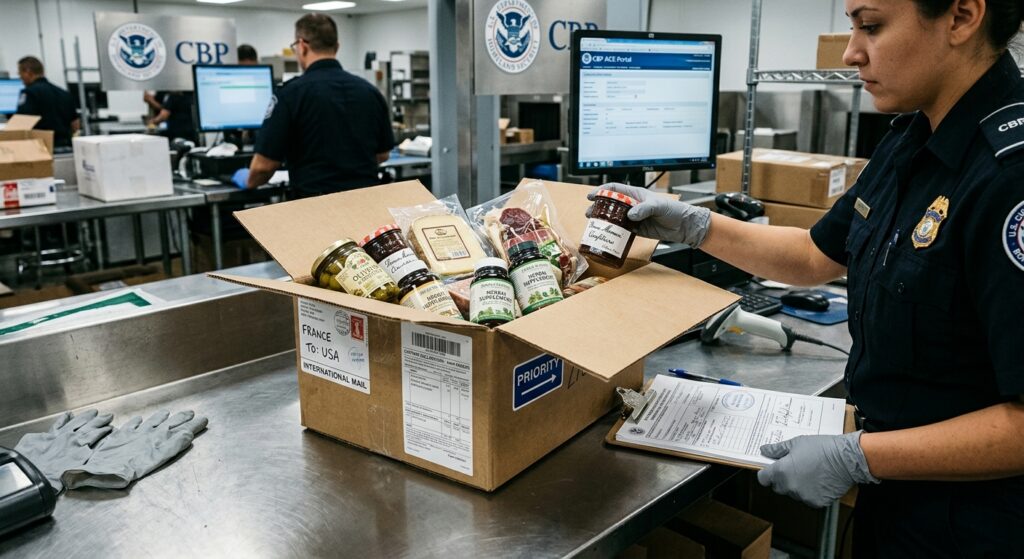
The suspension of de minimis duty exemptions for international mail has fundamentally changed how low-value food shipments enter the United States. Entry Type 13, launching as a voluntary ACE test on September 22, 2026, is the only informal entry pathway capable of carrying the full FDA and USDA Partner Government Agency data now required for mail shipments of food, dietary supplements, and other regulated products.
Read MoreFood Industry Regulatory Update – June 19, 2026
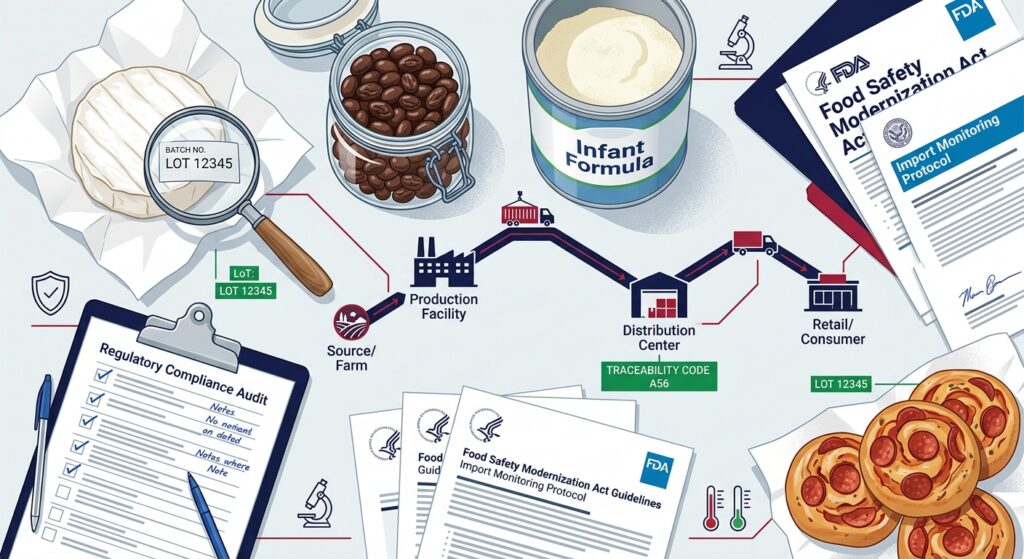
FDA held a virtual public meeting on June 15, 2026, to discuss compliance flexibilities for FSMA Section 204 food traceability requirements, including potentially allowing a range of lot codes. The compliance deadline has been extended by Congress to July 28, 2028. FDA also issued warning letters to MGR Produce and YS Group for Foreign Supplier…
Read MoreDe Minimis Rule Entry Process Ends
On August 29, 2025, U.S. Customs and Border Protection (CBP) began rejecting all De Minimis Rule (aka Type 86) entries. The De Minimis Rule had previously allowed shipments valued at $800 or less to be filed as Type 86 entries with limited data elements provided to CBP. This action implements the executive order issued on…
Read MoreFDA De Minimis Exemption for Food Shipments Revoked
On July 9, U.S. Customs and Border Protection (CBP) announced that all shipments presented for entry of FDA-regulated commodities, including food, must be submitted to FDA for review regardless of value. Previously FDA had exempted food from having to be reviewed at entry by the agency if the shipment was valued at less than $800…
Read MoreWhat is FSVP?

FSVP stands for Foreign Supplier Verification Program. FSVP is a regulation that requires importers of most foods to verify the food safety practices of their foreign suppliers. When did FSVP go into effect? The Foreign Supplier Verification Program regulation went into effect for most importers on May 30, 2017. Why did the United States require…
Read MoreFood Industry Regulatory Update July 19, 2024
In This Week’s Edition: FDA Bans Use of Brominated Vegetable Oil FDA is amending their regulations to revoke the authorization for the use of brominated vegetable oil (BVO) in food. This action is being taken because there is no longer a reasonable certainty of no harm from the continued use of BVO in food. Specifically, the final rule revokes the…
Read MoreFood Industry Regulatory Update June 28, 2024
In This Week’s Edition: FSMA Section 204 Updated Resources FDA has published additional resources to its website to help industry comply with the Food Traceability Rule. These include: APHIS Publishes Data on Enforcement Statistics for FY2023 The enforcement statistics may be found here. FSMA Produce Safety Rule Water Requirements; Webinar Recording The FDA hosted a webinar on the…
Read MoreFSVP Enforcement: The #1 Reason for 483s

FSVP Citations The Foreign Supplier Verification Program (FSVP) rule is enforced by the U.S. Food and Drug Administration (FDA) far more than any other regulation within its authority. The FSVP regulation went into effect in May 2017 and FDA ramped up enforcement in 2019. From Fiscal Year 2019 to FY2024, 32.4 percent of the top…
Read More